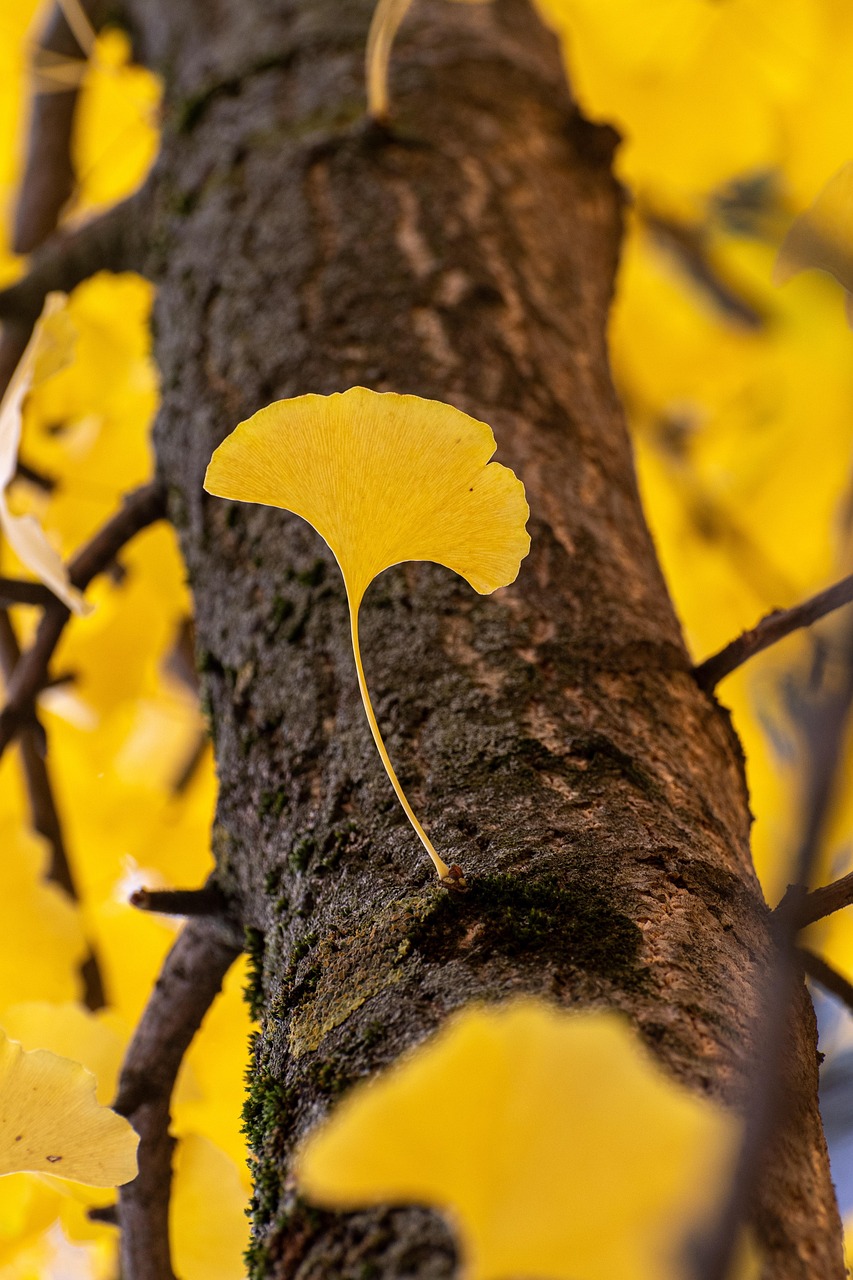
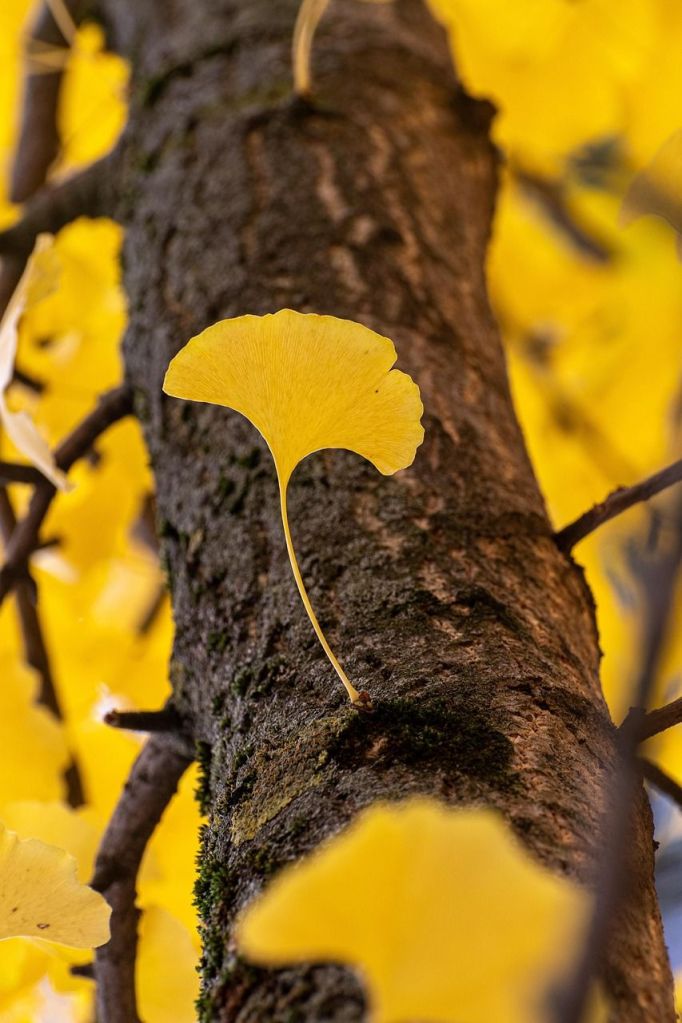
Ginkgo biloba, commonly known as the maidenhair tree, is a species of gymnosperm tree native to East Asia, renowned for its distinctive fan-shaped leaves and impressive height. This ancient tree species has a rich history, dating back over 270 million years, and is often referred to as a “living fossil” due to its ability to survive in various environments.
Unique Characteristics
Ginkgo biloba is dioecious, meaning there are separate male and female trees, with only the females producing seeds. The seeds have a strong odor, often compared to rancid butter, and are used in traditional Chinese medicine to treat respiratory issues and digestive problems. The tree’s leaves contain flavonoids and terpenoids, which are believed to have antioxidant properties, helping protect cells from oxidative stress.
Medicinal Properties
Ginkgo biloba extract is widely used to improve cognitive function, particularly in older adults, and may help alleviate symptoms of anxiety and depression. Its potential benefits include:
– Improved Blood Circulation: Ginkgo biloba may help dilate blood vessels, improving blood flow to the brain and other parts of the body.
– Antioxidant Effects: The tree’s antioxidant properties may help protect cells from damage caused by free radicals.
– Cognitive Function: Some studies suggest that ginkgo biloba may improve memory and cognitive function, although results are inconsistent.
Environmental Significance
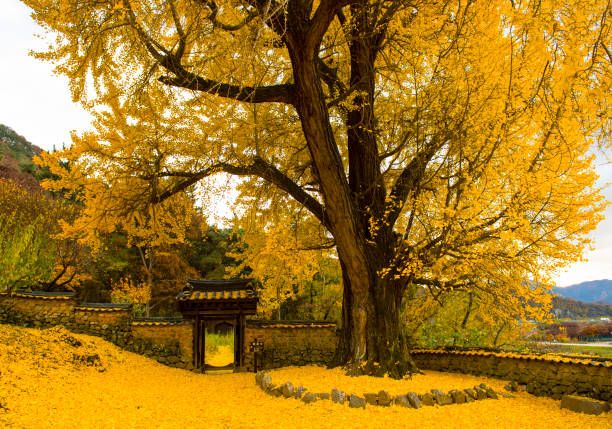
Ginkgo biloba is incredibly resilient and can thrive in urban environments, making it a popular choice for city landscaping. Its ability to absorb pollutants and release oxygen contributes to improved air quality, and its durability makes it a valuable asset in reforestation efforts.
Potential Risks and Side Effects
While ginkgo biloba is generally considered safe, potential side effects include gastrointestinal upset, nausea, vomiting, constipation, diarrhea, headache, and allergic reactions. It may also interact with certain medications, such as blood thinners, and should be used with caution in individuals with bleeding disorders or epilepsy.
Cultivation and History
Ginkgo biloba has been cultivated for thousands of years, primarily for its medicinal properties. The tree was nearly extinct in the wild but has been preserved through cultivation in gardens and parks worldwide. Today, it is widely planted in cities for its pollution tolerance and ornamental value.
 Heather Congrove
Very beautiful post thanks
LikeLiked by 1 person