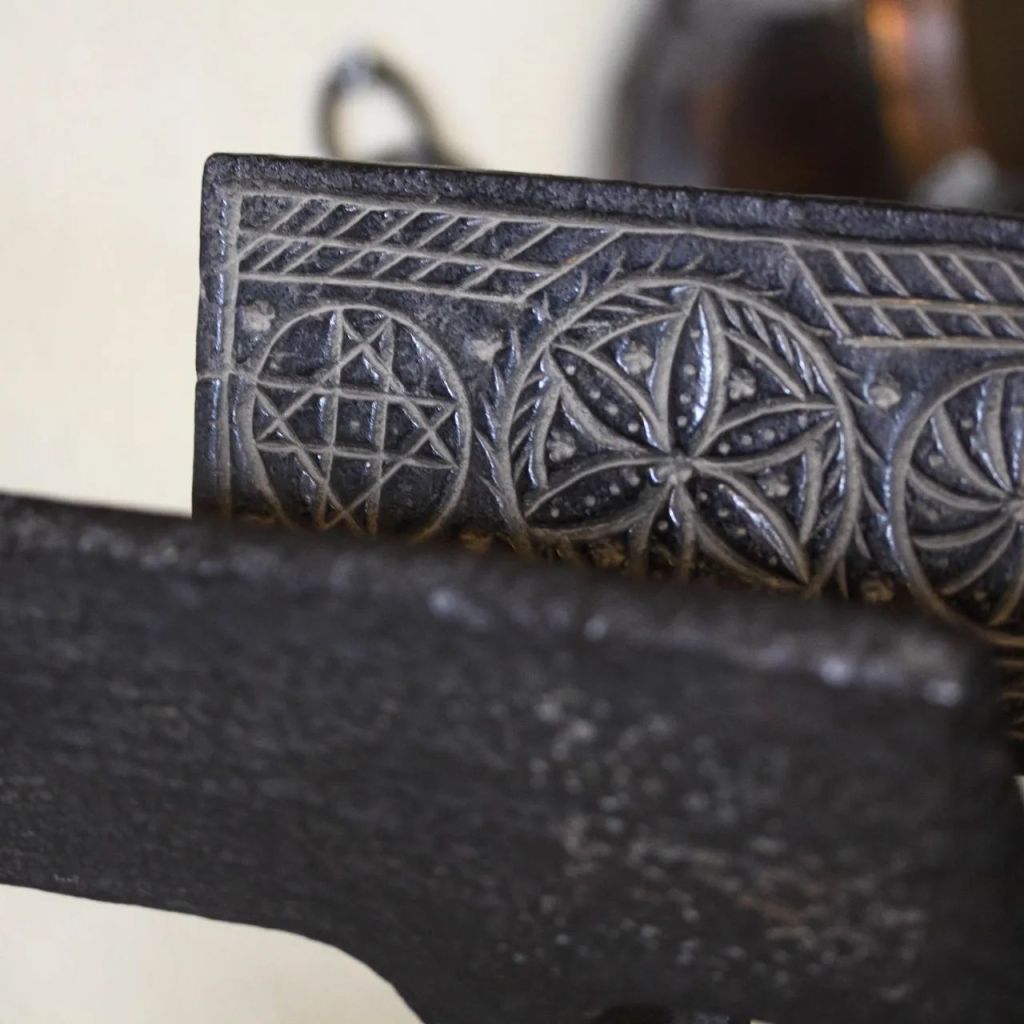
Oublies
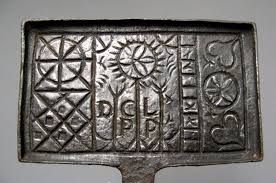
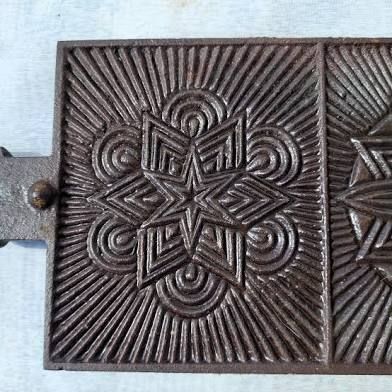
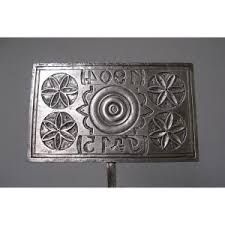
A man by the name of Regnaut-Barbo created the first Oublies in the years 1270. This was the first record of such delicacy and he is often considered a precursor to modern Waffles. Oublies translates to English as “wafer” or “thin crisp”. These treats were often made from simple ingredients like flour and water, which would then be pressed between two hot irons. While waffles today are thick and hearty the original recipe was very thin and flaky. Unlike the Grid like pattern of modern waffles, medieval oublies were designs intricate and beautiful. This art form would depict Biblical scenes, florals and various religious symbols. This commonplace food was eaten by all ranks of society and often enjoyed alongside religious celebrations.
Despite the intricate detail the cracker-like dessert often lacked sugar and flavor, compared to today’s sweet treat. Syrup was not on the menu with these tasty treats as they were usually topped with fruit, cheese or meat. Greek also had a similar pastry in their written history.
Waffles have transformed several times throughout history as each generation adds their own toppings and ingredients. Each creation is a self expression of their taste buds. I wish we still had intricately designed waffle makers. I feel a lot of similar craftsmanship has been lost to the modern world in trade for convenience. What would your family oublie press look like?

Thank you for enlightening me on the fascinating world of oublies! I have to admit, I’d never heard of them before—clearly my education in historical snack culture has been sorely lacking. I always thought the evolution of waffles began with a toaster and ended with maple syrup, but you’ve added depth (and crispness) to my understanding.
The idea of intricately designed irons pressing biblical scenes into humble flour-and-water wafers is both beautiful and bizarre—like communion meets couture. I genuinely appreciate you sharing this bit of culinary history. It’s inspired both curiosity and a strange craving for crunchy symbolism.
Grateful for the knowledge—and the potential new satirical material!
LikeLiked by 2 people
You are very welcome. I enjoy random useless facts of all kinds and this one was really cool. I enjoyed every minute of research I put into this. I would love to go to an international house of oublies! 😂 I am happy to know you enjoyed it.
LikeLike