
As a mother and a teacher, I know how important experiments are for growing minds. Even more important is finding experiments that are educational as well as fun. With the internet flooded with all sorts of experiments, I wanted to cut through all the noise and hoopla. Here is my never ending list of science experiments in one easy location for the busy parent. No subscription required. Easy, convenient and all in one place. This is just the beginning. I will continue to add to this never ending this as I find more free resources while on this wonderful journey of motherhood.
Ages 2-4
Sensory & Textures (Exploring Matter)
These experiments are great for little hands and growing minds. Each experiment will help develop fine motors skills, hand-eye coordination, and early sensory processing. These curated experiments are designed to transform your kitchen table into a laboratory of discovery, allowing children to lead the way through observation and discovery.
1. Ooze (Oobleck):
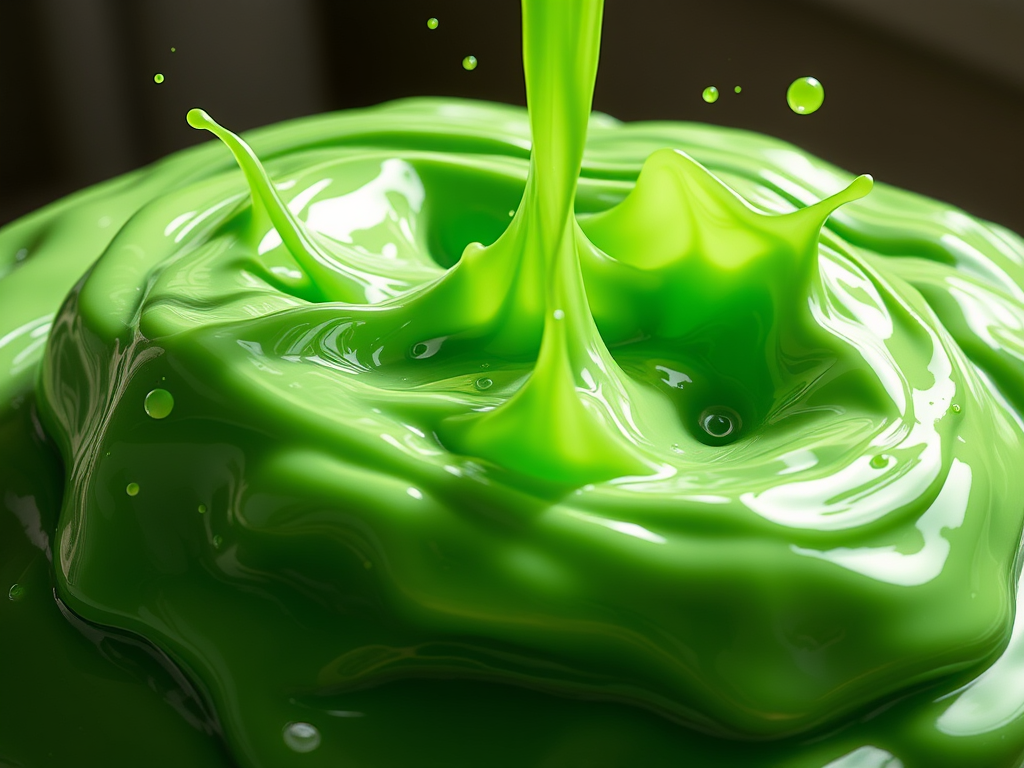
Mix 2 cups cornstarch with 1 cup water. It’s a solid when you squeeze it and a liquid when you let go. Video
3. Ice Excavation:
Freeze small plastic toys in a block of ice and give the child warm water and a dropper to “rescue” the toys.
4. Slippery Orbeez:
Explore water beads in a bin to learn about absorption and texture.
5. Soap Clouds:
Put a bar of Ivory soap in the microwave for 1–2 minutes; watch it expand into a giant, fluffy foam cloud.
6. Fizzy Trays:
Put baking soda on a cookie sheet and give the child a spray bottle of vinegar to make “fizzing bubbles” everywhere.
7. Scented Playdough:
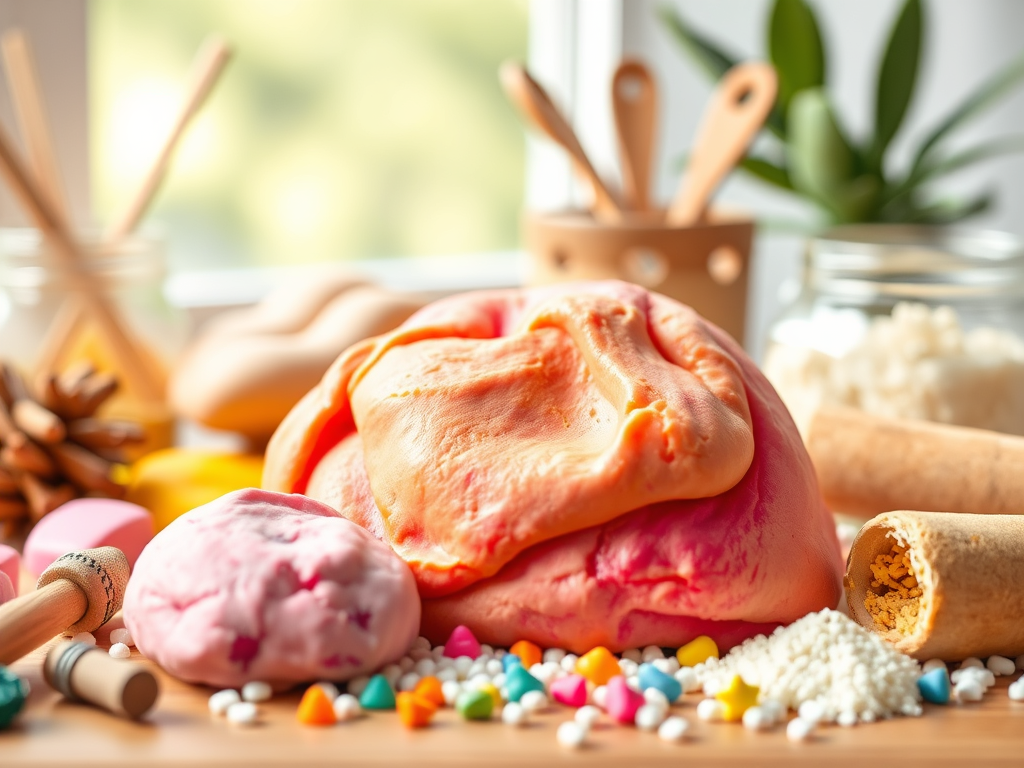
Make homemade dough using different extracts (lemon, mint) to explore the sense of smell.
8. Slime in a Bag:
Put glue and starch in a sealed Ziploc bag so they can squish and mix without the mess.
9. Magic Sand:
Use hydrophobic sand to show how some things stay dry even under water.
10. Mud Kitchen:
Simply mixing dirt and water to see how consistency changes from “dust” to “thick.”
Water & Floating (Physics)
11. Sink or Float:
A classic. Give them a bucket of water and random household items (spoon, cork, rock) to guess what happens.
12. Oil and Water:
Mix the two in a bottle with food coloring. Shake it up and watch them separate.
13. Penny Drops:
Use a dropper to see how many drops of water can fit on a penny before it spills over (Surface Tension).
14. Boat Building:
Give them tin foil to fold into “boats” and see how many pennies the boat can hold before sinking.
15. Absorption Station:
Give them a sponge, a washcloth, and a piece of plastic. Pour water on each to see which one “drinks” the water.
16. Ice Fishing:
Use a string and salt to lift an ice cube out of a glass of water.
17. Dinosaur Wash:
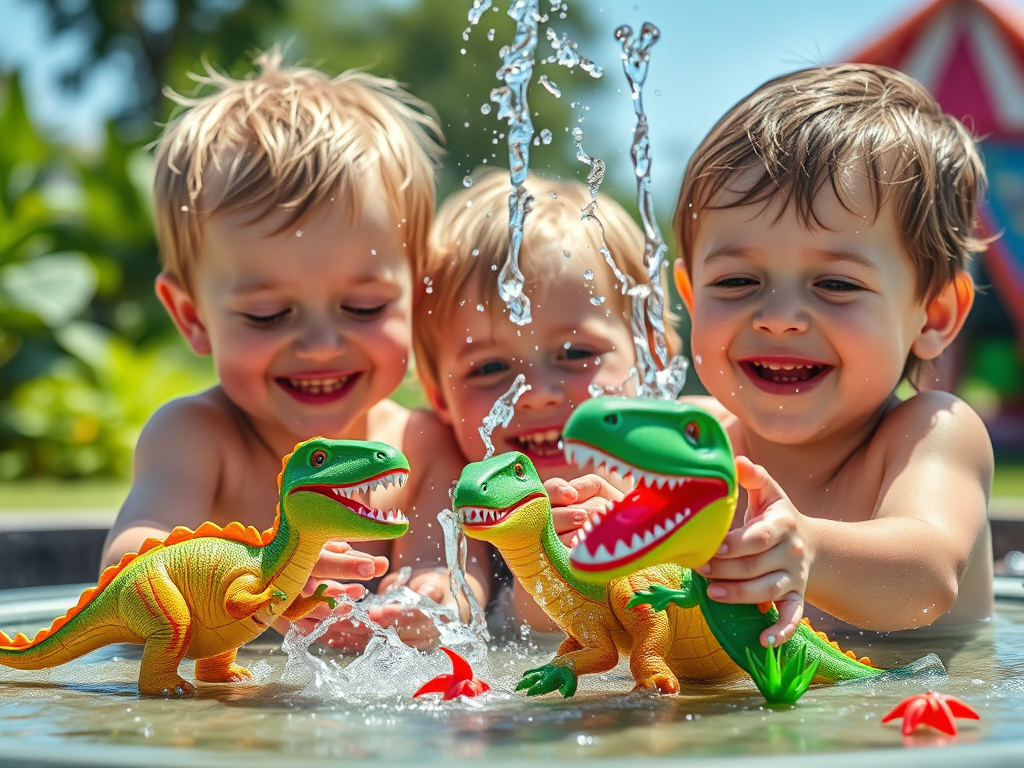
Use soapy water and old toothbrushes to clean “fossils” (plastic dinos), learning about friction and bubbles.
18. Warm vs. Cold:
Place a drop of food coloring in a bowl of hot water and one in cold water to see which spreads faster.
Color & Light (Optics)
19. Coffee Filter Butterflies:
Use markers on coffee filters, then drip water on them to see the colors spread (Chromatography).
20. Color Mixing Bottles:
Fill bottles with primary colors (Red, Blue, Yellow) and let the child hold them up to the light together to see new colors.
21. Shadow Puppets:
Use a flashlight in a dark room to show how moving your hand closer to the light makes the shadow bigger.
22. Walking Water (Toddler Version):
Set up jars of colored water and watch paper towels soak up the colors overnight.
23. Prism Play:
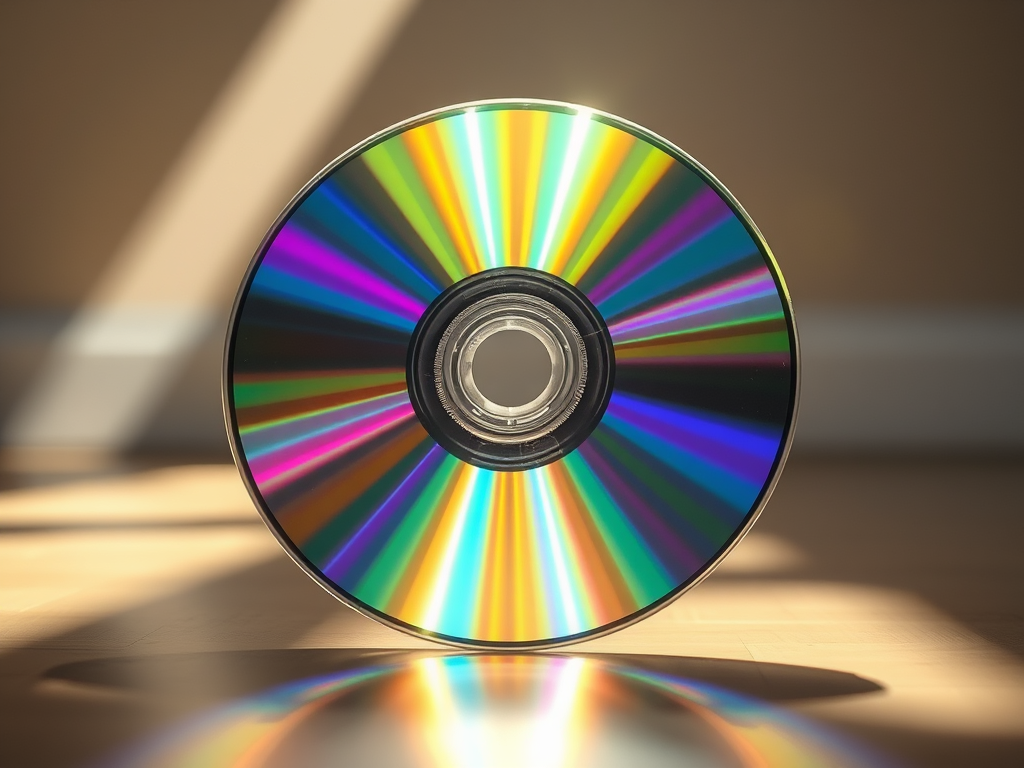
Use a CD or a prism in a sunny window to “catch” rainbows on the floor.
21. Hydroponics Lab:
Build a system to grow lettuce in nutrient-rich water without soil, measuring how different light spectrums (LED vs. Sunlight) affect growth rates.
24. Nature Sun Prints:
Place leaves on construction paper in the sun for a few hours. Remove the leaves to see the “shadow” left behind.
Nature & Sound (Life Science)
25. The Celery Trick:
Put a stalk of celery in red water. By morning, the leaves will be red!
26. Seed Jars:
Place a wet paper towel and a bean in a glass jar. Toddlers can see the roots grow through the glass.
27. Sound Shakers:
Fill plastic eggs with different items (rice, pennies, cotton balls) and guess which one makes the loudest noise.
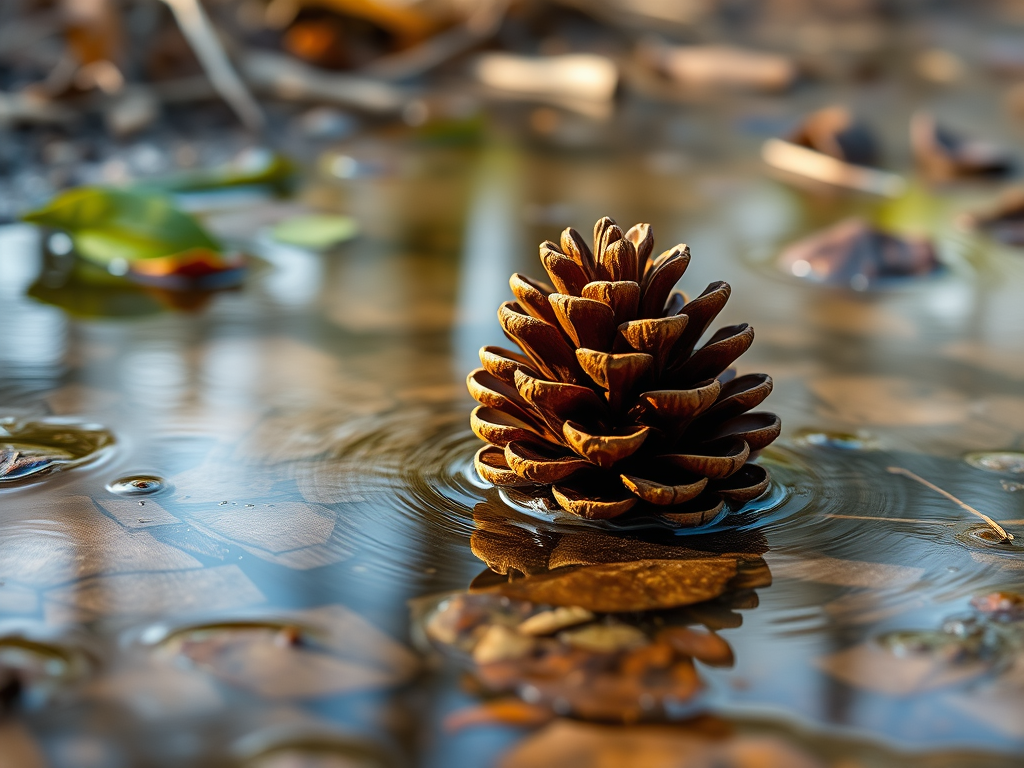
28. Pinecone Science:
Put a dry pinecone in water and watch it “close” its scales to protect its seeds.
29. Static Balloons:
Rub a balloon on their hair and watch it “stick” to the wall or pick up small bits of paper.
30. Dancing Raisins:
Drop raisins into a glass of clear soda (Sprite) and watch the bubbles lift them up and down.
Chemical Reactions & Gases
31. Dino Eggs:
Mix baking soda with a little water to form a paste around a small toy dinosaur. Let it dry, then have the child use a dropper of vinegar to “hatch” the egg.
32. Balloon Blow-up:
Pour a little vinegar into a plastic bottle and put baking soda inside a balloon. Stretch the balloon over the bottle neck, lift it up to drop the powder, and watch the “gas” blow up the balloon.
33. Apple Volcanoes:
Core an apple, fill the center with baking soda and a drop of dish soap, then pour in vinegar for a fruity eruption.
34. Yeast Balloons:
Mix warm water, sugar, and a packet of yeast in a bottle. Attach a balloon and wait an hour to see how “living” yeast creates air.
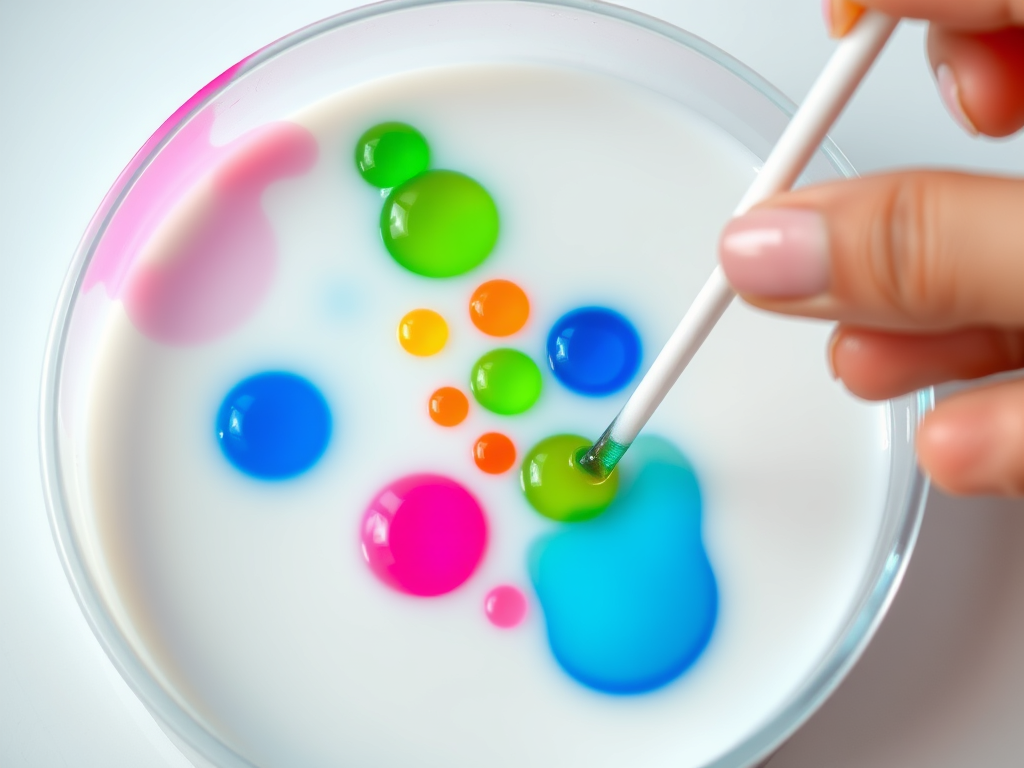
35. Magic Milk:
Pour milk into a shallow dish, add drops of food coloring, and touch it with a Q-tip dipped in dish soap to watch the colors “scramble” away.
Physics & Motion
36. Ramp Race:
Prop up a piece of cardboard or a cookie sheet. Race different items (a ball, a block, a toy car) to see which is faster and discuss friction.
37. Magnet Scavenger Hunt:
Give the child a large horseshoe magnet and have them find things in the house that “stick” vs. things that don’t.
38. Pom-Pom Drop:
Tape empty toilet paper rolls to a wall or door in a vertical path. Have the child drop pom-poms through the “tunnels” to explore gravity.
39. Pulley Play:
Tie a small bucket to a string and loop it over a door handle or railing to show how we can lift things upward.
40.Wind Power:
Give the child a straw and see if they can move a cotton ball, a feather, or a rock across the floor just by blowing.
41. Balance Beam:
Use painter’s tape on the floor. Have them walk it while holding a heavy toy vs. a light toy to see how their center of gravity shifts.
Botany & Biology
42. Nature Paintbrushes:
Go on a walk to collect pine needles, leaves, and long grass. Dip them in paint to see what kind of “textures” different plants make.
43. Sprouting Spuds:
Put a potato in a jar of water with toothpicks holding it up. Within weeks, it will grow long “eyes” and vines.
44. Leaf Rubbings:
Place a leaf under a piece of paper and rub a crayon over the top to see the “veins” that carry water to the plant.
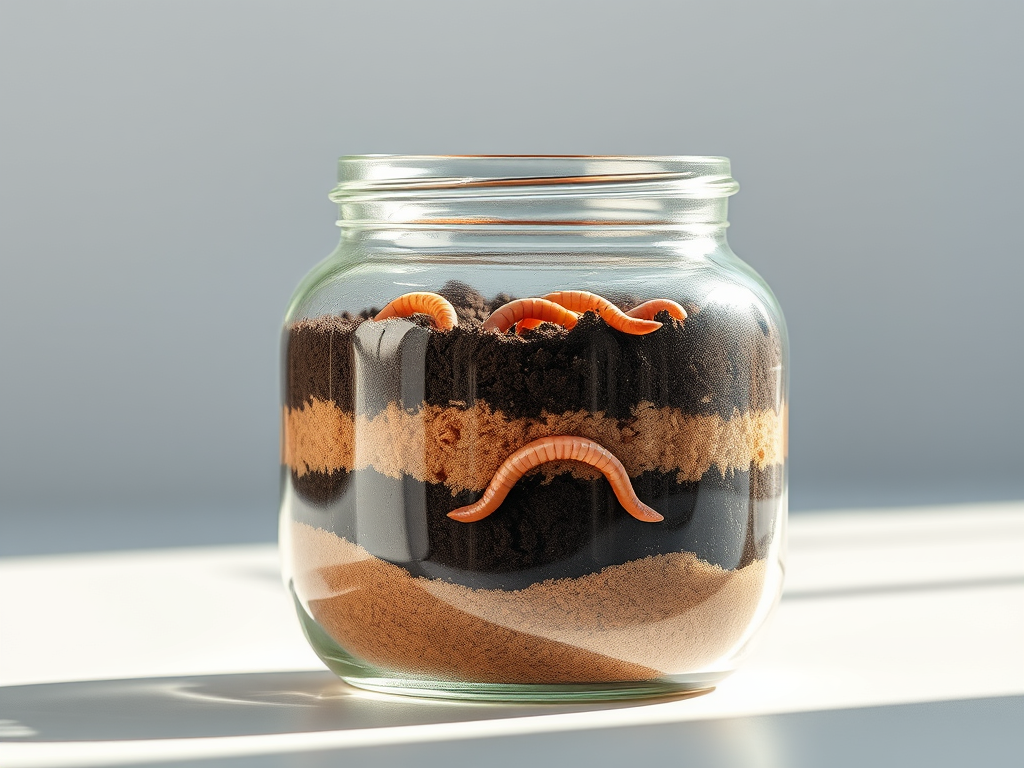
45. Worm Hotel:
Fill a clear jar with alternating layers of dirt and sand. Add a few earthworms and watch how they “mix” the layers as they tunnel.
46. Regrowing Scraps:
Put the bottom of a bunch of celery or a leek in a shallow dish of water and watch the green center grow back.
47. Animal Tracks:
Use playdough and plastic animal figures to see the different “footprints” various creatures leave behind.
Sensory & Change of Matter
48. Bread in a Bag:
Mix flour, water, and yeast in a bag. Let the child squish it, watch it rise, and then bake it to see how “squishy” becomes “crusty.”
49. Fruit Dehydration:
Slice apples thin and leave them in the sun or a low oven. Compare the “juicy” fresh apple to the “rubbery” dried one.
50. Chocolate Melting:
Place a chocolate chip in the child’s hand and close it. Wait a minute to see how body heat changes a solid to a liquid.
51. Gelatin Dig:
Hide plastic toys inside a bowl of Jell-O. Let the child use their hands to “excavate” while feeling the cold, wiggly texture.
52. Cornstarch Painting:
Mix equal parts cornstarch and water with food coloring. Paint on the sidewalk; as it dries, the “liquid” turns back into a vibrant “powder.”
Earth & Weather
53. Mud Bricks:
Mix mud and straw (or dried grass), pack them into an ice cube tray, and let them dry in the sun to see how houses are built.
54. Cloud in a Jar:
Pour hot water into a jar, spray in a little hairspray, and put ice on the lid. Watch the “cloud” form and then let it out.
55. Shaving Cream Snow:
Mix 1 box of baking soda with about half a can of shaving cream. It feels cold to the touch and can be molded into “snowballs.”
56. Sun Melt Art:
Put old crayons on a piece of paper inside a cardboard box. Leave it in a sunny spot outdoors and watch the sun “melt” the wax into art.
57. Erosion Observation:
Make a pile of dirt and a pile of dirt covered in grass/moss. Pour water over both to see which one washes away faster.
Sound & Light
58. Flashlight Path:
Tape colored cellophane over a flashlight and shine it through a glass of water to see how light “bends” or changes color.
59. Water Xylophone:
Fill several glass jars with different levels of water. Tap them with a spoon to hear the different “pitches” (high vs. low).
60. Screaming Balloon:
Put a hex nut inside a balloon and blow it up. Swirl the balloon in a circle to hear the “vibration” turn into a high-pitched whirr.


For ages 5–9
Kids are ready for a bit more “why” behind the “wow.” These experiments involve slightly more complex steps, basic measuring, and more dramatic results. The focus shifts from pure sensory play to critical thinking and investigation. Each experiment will help develop critical thinking, patience, and precise motor control.
Chemistry & Transformations
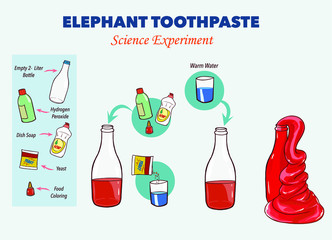
1. Elephant Toothpaste (Yeast Version):
Mix hydrogen peroxide, dish soap, and a packet of yeast (dissolved in warm water) for a massive foamy reaction. Video
2. Cabbage Juice pH Indicator:
Boil red cabbage to get purple juice. Pour it into various liquids (lemon juice, baking soda water, vinegar) to see it change color based on acidity. Video
3. The Naked Egg:
Submerge an egg in vinegar for 24–48 hours. The shell dissolves, leaving a bouncy, translucent “naked” egg.
4. Crystal Names:
Shape pipe cleaners into letters, soak them in a Borax and hot water solution overnight, and watch giant crystals grow. Video
5. Balloon Blow-up:
Stretch a balloon over a bottle filled with vinegar and baking soda. The CO_2 gas will inflate the balloon automatically
6. Homemade Butter:
Pour heavy cream into a jar with a marble and shake it for 10–15 minutes until it separates into solid butter and buttermilk. Video
7. Invisible Ink:
Write a message using lemon juice. Once dry, hold it near a lightbulb (with adult help) to watch the message “burn” into view. Video

8. Plastic from Milk:
Warm up milk and add vinegar. The protein (casein) clumps together; strain it, dry it, and mold it into “plastic” shapes. Video
9. Exploding Lunch Bag:
Put a vinegar-soaked paper towel inside a Ziploc bag with baking soda, zip it quickly, and watch it pop from gas pressure.
10. Apple Mummification:
Cover apple slices in a mixture of salt and baking soda to see how ancient Egyptians used desiccation to preserve bodies.
Physics & Engineering
11. Balloon Rocket:
String a straw onto a long piece of yarn tied across a room. Tape an inflated (but untied) balloon to the straw and let go!
12. Paper Bridge Challenge:
Give kids two cups and one piece of paper. Challenge them to fold the paper (accordion style) to support the weight of 20 pennies.
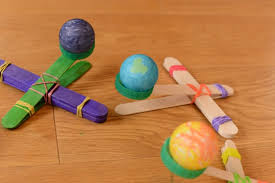
13. Marshmallow Catapult:
Use popsicle sticks, rubber bands, and a plastic spoon to build a lever that launches mini-marshmallows. Video
14. Egg Drop Challenge:
Design a “container” using straws, tape, and cotton balls to protect a raw egg from a 6-foot fall.
15. Non-Electric Telephone:
Poke holes in two paper cups and connect them with a long string. Keep the string taut to hear sound vibrations travel.
16. Solar Oven:
Line a pizza box with aluminum foil and plastic wrap to cook a s’more using only the heat of the sun.
17. Magnet Fishing:
Tie a magnet to a string and “fish” for different metal vs. non-metal objects to learn about magnetism.
18. Parachute Physics:
Use napkins, string, and toy soldiers to see which parachute shape (square vs. circle) falls the slowest.
19. Water Compass:
Rub a needle with a magnet, float it on a cork in a bowl of water, and watch it point North.
20. Static Electricity Slime:
Hold a statically charged balloon near a stream of thin cornstarch slime to see the slime “bend” toward the balloon.
Nature & Earth Science
21. Tornado in a Bottle:
Connect two 2-liter bottles with a “tornado tube” connector (or duct tape) and swirl to create a vortex.
22. Personalized Petri Dishes:
Use agar plates to swab “dirty” places (door handles, unwashed hands) and watch bacteria colonies grow over a week.

23. Leaf Chromatography:
Soak crushed green leaves in rubbing alcohol with a strip of coffee filter to see the hidden yellow and orange pigments.
24. Cloud in a Jar:
Pour hot water into a jar, spray hairspray inside, and put ice on the lid to see a “cloud” form and escape when opened.
25. Density Tower:
Layer honey, dish soap, water, oil, and rubbing alcohol in a tall glass to see how they stack based on weight.
26. Geode Eggs:
Use clean eggshells and alum powder (from the spice aisle) to grow “crystals” that look like real geodes.
27. Bread Mold Race:
Put three slices of bread in bags: one touched by dirty hands, one by washed hands, and one untouched (using tongs) to see which molds first.
28. DIY Sundial:
Place a stick in the ground and mark the shadow with rocks every hour to see how the Earth rotates.
29. Regrowing Scallions:
Place the white root ends of green onions in a glass of water and watch them grow back to full size in days.
30. Rain Gauge:
Create a marked container to measure rainfall over a week and graph the results.
Chemistry & Cool Reactions
31. Lava Lamps:
Fill a jar with oil and a little water. Add food coloring and drop in an Alka-Seltzer tablet to watch colorful “lava” bubbles rise and fall.
32. Magic Color-Changing Flowers:
Place white carnations or stalks of celery in water mixed with heavy food coloring. Over 24 hours, kids can watch the “capillary action” pull the color up into the petals.
33. Rust Race:
Place iron nails in different liquids (water, saltwater, vinegar, oil) to see which one causes the nail to rust the fastest.
34. Bouncing Bubbles:
Mix dish soap, water, and a little glycerin or corn syrup. Have kids wear cotton gloves and see if they can “bounce” the bubbles on their hands without them popping.

35. Copper Cleaning:
Soak dull, dirty pennies in a mixture of salt and vinegar. Watch the chemical reaction strip away the copper oxide to make them shine like new.
36. Self-Inflating Bag:
Put a small amount of vinegar in a snack-sized bag and a teaspoon of baking soda in the corner. Zip it tight, shake, and watch it turn into a “pillow.”
37. Curdled Milk Art:
Add vinegar to milk to separate the curds (solids) from the whey (liquid). Use the curds to create a “stone” texture on paper.
Physics, Forces & Electricity
38. Static Hair:
Rub a balloon on a head of hair, then slowly pull it away to show how electrons jump, creating an attractive force.
39. Hovercraft CDs:
Glue a bottle cap (with a hole) to an old CD. Stretch a balloon over the cap, blow it up, and watch the CD glide across the table on a cushion of air.
40. Bridge Strength Test:
Build two different bridges—one using flat paper and one using “triangles” (trusses) made of straws—to see which can hold more books.
41. Coin Tower Snap:
Stack a tall tower of pennies. Use a butter knife or a ruler to quickly “flick” the bottom coin out without knocking the rest of the tower over (Inertia).
42. Bending Light:
Place a pencil in a half-full glass of water. Look at it from the side to see how the light “refracts,” making the pencil look broken.
43. Simple Circuit:
Use a battery, two wires, and a small LED bulb to show how electricity flows in a loop.
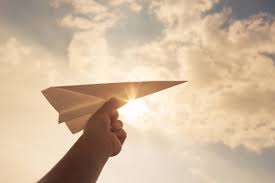
44. Paper Plane Aerodynamics:
Build three different styles of paper planes (the Dart, the Glider, and the Stunt) to see how wing shape affects distance vs. hang time.
45. Spinning Top Physics:
Make tops out of toothpicks and cardboard circles. Experiment with weight placement to see which spins the longest.
Nature, Biology & Earth Science
46. Pinecone Weather Station:
Observe how a pinecone stays “closed” on damp days and “opens” on dry days to help kids understand humidity.
47. Worm Observation Jar:
Create a “vibrating” dirt jar and watch how worms react to sound vs. touch to understand their sensory systems.
48. Ocean Zones in a Jar:
Use different liquids (dyed blue) to represent the sunlight, twilight, and midnight zones of the ocean based on density.
49. Sunlight Maze:
Place a bean plant in a cardboard box with a “maze” of holes. Watch the plant grow through the twists and turns to reach the light (Phototropism).
50. Mini Compost Bin:
Place fruit scraps and dirt in a jar. Observe how long it takes for the earth to “recycle” the scraps back into soil.
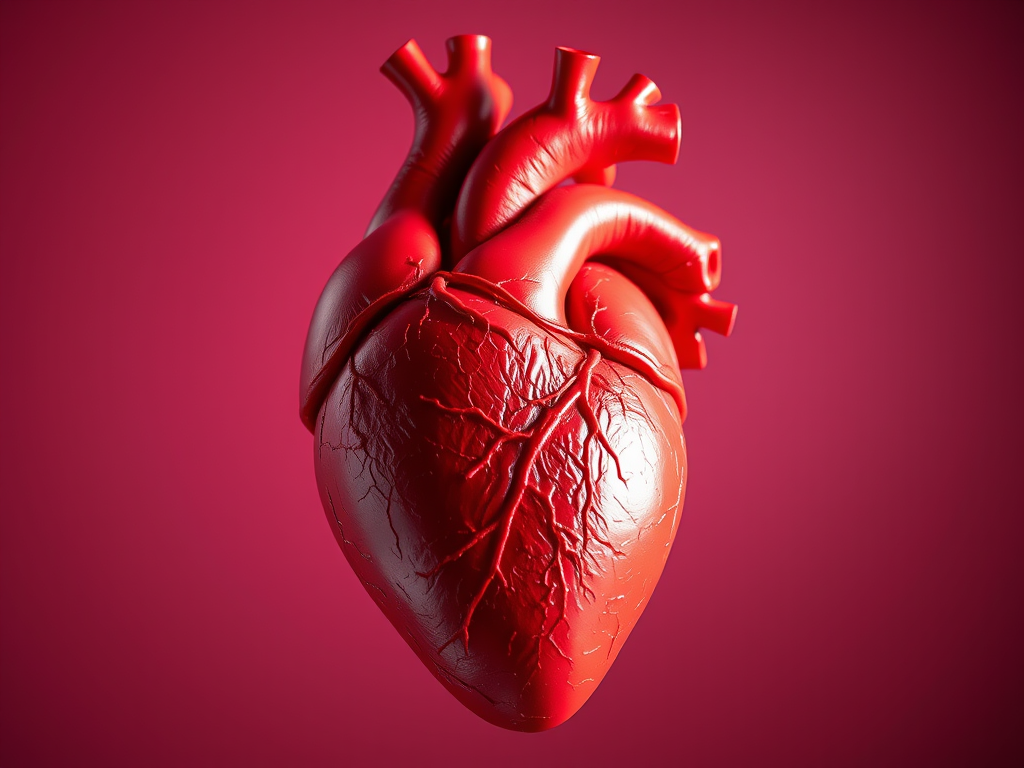
51. Heart Rate Jump:
Have kids measure their resting pulse, then do jumping jacks for one minute and measure again to see how the heart pumps faster during exercise.
52. Fingerprint Detectives:
Use cocoa powder and clear tape to “lift” fingerprints from a glass, then use a magnifying glass to identify loops, whorls, and arches.
Light, Sound & Space
53. DIY Kaleidoscope:
Use three strips of mirrored cardstock or aluminum foil inside a toilet paper tube to see how reflections create patterns.
54. Straw Pan Flute:
Cut several straws into different lengths and tape them together. Blow across the tops to hear how length affects the “pitch” of the sound.
55. Moon Phases with Oreos:
Use the white cream of Oreo cookies to create the different shapes of the moon (Crescent, Gibbous, Full).
56. Spectroscope:
Use an old CD and a cardboard box to see the “rainbow” (spectrum) hidden within white light.
57. Star Constellation Projector:
Use a flashlight and a paper cup with holes poked in the bottom (in the shape of the Big Dipper) to project stars onto the ceiling.
58. Solar Wax Melts:
Place different colored crayons in a muffin tin in the sun to see which colors absorb heat and melt first.
59. Echo Location:
Use a long cardboard tube to speak into a corner or a bucket to hear how sound waves “bounce” back.
60. Water Drop Magnifier:
Place a single drop of water on a piece of plastic wrap over a book. The “dome” of the water will act as a magnifying lens for the letters underneath.
Ages 10-18
For older students, science transitions from guided activities to independent innovation and complex problem-solving. These experiments challenge them to apply advanced concepts like thermodynamics, molecular biology, and mechanical engineering to real-world scenarios. Each project is designed to refine analytical reasoning, technical precision, and the ability to document variable outcomes.
Advanced Chemistry & Molecular Science
1. Iodine Clock Reaction:
Mix solutions of tincture of iodine, vitamin C, and starch. The liquid stays clear for several seconds before suddenly turning dark blue in the blink of an eye. Video
2. Copper Plating:
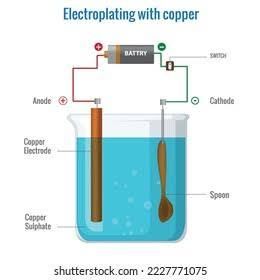
Use a battery, copper wire, and an electrolyte solution (like vinegar and salt) to “electroplate” a thin layer of copper onto a steel nail or a brass key. Video
3. DNA Extraction:
Mash a strawberry, mix with dish soap and salt to break down cell walls, then use cold rubbing alcohol to pull the white, stringy DNA strands out of the juice. Video
4. Silver Mirror Reaction:
(Requires specialized kit) Use Tollens’ reagent to create a real silver coating on the inside of a glass vial through a redox reaction. Video
5. Nylon Synthesis:
If you have access to a lab kit, mix sebacoyl chloride and hexanediamine to “pull” a continuous string of synthetic nylon out of a beaker. Video
6. Endothermic vs. Exothermic:
Compare the temperature change of mixing baking soda and vinegar (cold/endothermic) versus hydrogen peroxide and yeast (hot/exothermic) using a digital thermometer. Video
7. Flame Test for Metals:
Dip a wire into various salts (copper sulfate, strontium chloride, etc.) and hold them over a Bunsen burner flame to see the distinct colors (green, red, purple) used in fireworks. Video
8. Electrolysis of Water:
Use a 9V battery and two pencils to split water (H_2O) into Hydrogen and Oxygen gas. Video
9. Polymer Cross-linking:
Experiment with different ratios of Borax to Glue to determine how cross-linking affects the viscosity and “bounce” of a polymer. Video
10. Luminol Reaction:
Use a luminol kit to demonstrate chemiluminescence—the same reaction forensic scientists use to find hidden blood at a crime scene. Video
Physics, Robotics & Energy
11. DIY Rubens’ Tube:
(Adult supervision required) A metal pipe with holes and a speaker that uses flames to visualize sound waves and standing wave patterns. Video
12. Build a Stirling Engine:
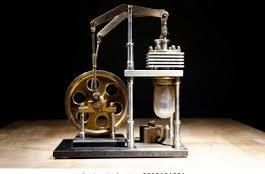
Use soda cans and balloons to create a heat-driven engine that demonstrates the expansion and contraction of gases. Video
13. Homopolar Motor:
Create the simplest motor in the world using a neodymium magnet, a battery, and a piece of copper wire. Video
14. Bridge Stress Analysis:
Build a bridge out of balsa wood and use a bucket of sand to measure exactly how much weight it holds before “catastrophic failure,” then analyze the break point.
15. Potato Battery Array:
Connect multiple potatoes in a series circuit to see if you can generate enough voltage to power a small LED or a digital clock. Video
16. Non-Newtonian Fluid “Walking”:
Create a massive vat of Oobleck (cornstarch and water) and attempt to run across the surface to demonstrate shear-thickening properties.
17 Water Bottle Rocket with Parachute:
Use a bike pump and a pressure valve to launch a bottle 100 feet in the air, designing a mechanical deployment system for a parachute. Video
18. Radio Telescope (Basic):
Use a satellite dish and a signal meter to detect “noise” from the sun or galactic center.
19. Cloud Chamber:
Use dry ice and isopropyl alcohol in a sealed jar to see the “trails” left behind by cosmic rays and background radiation.
20. Infinity Mirror:
Use LEDs and one-way mirror film to create an optical illusion of a tunnel that stretches into infinity.
Environmental & Life Science
22. Biogas Generator:
Use food scraps in a sealed 2-liter bottle with a balloon on top to capture the methane gas produced by anaerobic digestion.
23. The Albedo Effect:
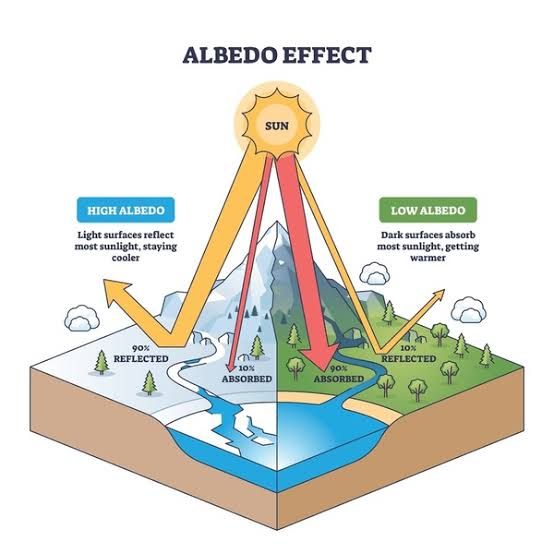
Use different colored surfaces (black, white, foil) and a heat lamp to measure how much energy different surfaces reflect vs. absorb.
24. Oil Spill Cleanup Challenge:
Mix oil and water in a tub and provide the “scientist” with various materials (cotton, hair, sponges, chemical dispersants) to see which is most effective.
25. Microplastics Filter:
Sample water from a local pond and use various mesh filters to identify and categorize the amount of microplastics present.
26. Terrarium Ecosystem:
Create a closed “Ecosphere” and track the carbon cycle and water cycle within the jar over several months without opening it. Video
27. Heart Rate and Stimulants:
Use a pulse oximeter to track how caffeine or exercise changes heart rate and recovery time, graphing the data over a week.
28. Solar Desalination:
Build a “solar still” to turn saltwater into drinkable fresh water using only heat from the sun and evaporation. Video
29. Micro-Meteorite Hunting:
Drag a strong magnet through rain gutter debris and look under a microscope for small, pitted spheres that may have come from space.
30. Bio-Degradation Race:
Bury different “trash” items (plastic bag, paper, banana peel, “compostable” cup) and dig them up 3 months later to record the rate of decay.
Advanced Chemistry & Thermodynamics
31. The Belousov-Zhabotinsky (BZ) Reaction:
Use a specialized chemistry kit to create a “chemical oscillator” where the liquid pulses between colors repeatedly without being touched. Video
32. Magnesium Ribbon Oxidation:
Burn a measured strip of magnesium to observe a high-intensity exothermic reaction. Calculate the change in mass to determine the empirical formula of magnesium oxide.
33. Titration Analysis:
Use a burette and a pH indicator (like phenolphthalein) to determine the exact molar concentration of acetic acid in various brands of household vinegar.
34. Enzyme Catalysis (Liver & Peroxide):
Use fresh liver (catalase source) and hydrogen peroxide. Measure the rate of oxygen production at different temperatures to find the enzyme’s “denaturation point.”
35. Calorimetry of Foods:
Build a homemade calorimeter to burn different nuts or snacks. Measure the temperature rise in a known volume of water to calculate the energy content in Calories per gram.
36. Synthesis of Aspirin: (Requires lab-grade safety)
Use salicylic acid and acetic anhydride to synthesize acetylsalicylic acid, then use a melting point apparatus to check purity. Video
37. Fractional Distillation:
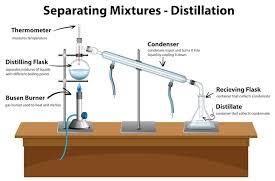
Create a setup to separate a mixture of water and isopropyl alcohol based on their differing boiling points. Video
Physics, Engineering & Electronics
38. Double-Slit Experiment:
Use a laser pointer and a very fine double slit (or a strand of hair) to project an interference pattern on a wall, proving the wave-particle duality of light.
39. Build a Van de Graaff Generator:
Construct a device using a motor, rollers, and a belt to generate high-voltage static electricity, enough to make hair stand on end or create small “lightning” bolts. Video
40. Cantilever Beam Deflection:
Use different materials (wood, steel, plastic) and hang weights at the end of a beam. Use the data to calculate the Young’s Modulus (elasticity) of the materials. Video
41. Tesla Coil (Miniature):
Build a small solid-state Tesla coil to demonstrate wireless energy transfer by lighting up a fluorescent bulb held near the coil. Video
42. Projectile Motion Tracker:
Build a catapult or air cannon. Use a slow-motion camera and a grid background to calculate the initial velocity and acceleration due to gravity (9.8\text{ m/s}^2).
43. Eddy Currents with Neodymium Magnets:
Drop a strong magnet through a copper or aluminum pipe. Observe the slow-motion fall caused by electromagnetic induction (Lenz’s Law).
44. Aerodynamic Drag Testing:
Build a simple wind tunnel using a box and a high-powered fan. Use a kitchen scale to measure the “drag” force on different car or wing shapes.
45. Solar Cell Efficiency:
Use a multimeter to measure the voltage and current produced by a solar panel at different angles to the sun to find the “Maximum Power Point.”
Environmental & Biological Data Science
46. The Greenhouse Effect Simulation:
Create two identical sealed environments. Fill one with high levels of CO_2 (via vinegar and baking soda) and monitor the temperature difference under a heat lamp over 60 minutes.
47. Vitamin C Titration:
Use an iodine solution to test the concentration of Vitamin C in fresh orange juice versus store-bought juice that has been open for several days.
48. Bacterial Resistance Lab:
Use agar plates to grow a safe strain of bacteria. Place small discs soaked in various “natural” vs. “chemical” antibacterials to measure the Zone of Inhibition. Video
49. Aquaponics Nitrogen Cycle:

Build a system where fish waste provides nutrients for plants. Use a testing kit to track the conversion of Ammonia to Nitrites and then Nitrates over one month.
50. Yeast Respiration & Sugar Type:
Use balloons on bottles to measure how much CO_2 is produced when yeast is fed different carbohydrates (glucose, fructose, lactose, or artificial sweeteners).
51. Transpiration Rates:
Seal a plastic bag around a living tree branch. Measure the volume of water collected over 24 hours and calculate the “sweat” rate based on the surface area of the leaves.
52. Soil Composition & Permeability:
Sample soil from three different locations. Measure the time it takes for 500ml of water to pass through each to determine the “drainage” potential for agriculture.
Optics, Sound & Space Science
53. Speed of Light with a Microwave:
Remove the rotating tray from a microwave and heat a tray of marshmallows or chocolate. Measure the distance between the melted spots (nodes) to calculate the speed of light using the microwave’s frequency.
54. Schlieren Imaging:
Use a parabolic mirror and a LED light source to create a setup that allows you to “see” air density changes, such as the heat rising from a candle or the breath from your mouth. Video
55. Determining the Earth’s Circumference (Eratosthenes’ Method):
Coordinate with a friend in a different city. Measure the shadow of a stick at the exact same time on the same day and use geometry to calculate the Earth’s size.
56. Spectroscopy of Gases:
Use a diffraction grating to look at different light sources (streetlights, neon signs, LED) and identify the specific elements based on their spectral “barcode.”
57. Doppler Effect Visualization:
Swing a buzzing buzzer or a phone playing a constant tone on a string. Use a frequency-measuring app to record the shift in pitch as it moves toward and away from the listener.
58. Acoustic Levitation:
Use an ultrasonic transducer kit to “float” small foam beads in mid-air using standing sound waves.
59. Chladni Plate Patterns:
Use a metal plate covered in sand and a violin bow (or a speaker) to visualize the vibration nodes of different frequencies through beautiful geometric shapes.
60. Bio-luminescent Algae Culture:
Grow a culture of Pyrocystis fusiformis. Track how their light-emitting cycle changes when exposed to “light pollution” or different day/night schedules. Video
FUN For All Ages
1. Water Defying Gravity:
Fill a glass to the brim with water, place a piece of cardstock over it, and flip it upside down. The air pressure holds the card (and the water) in place.
2. The Unpoppable Balloon:
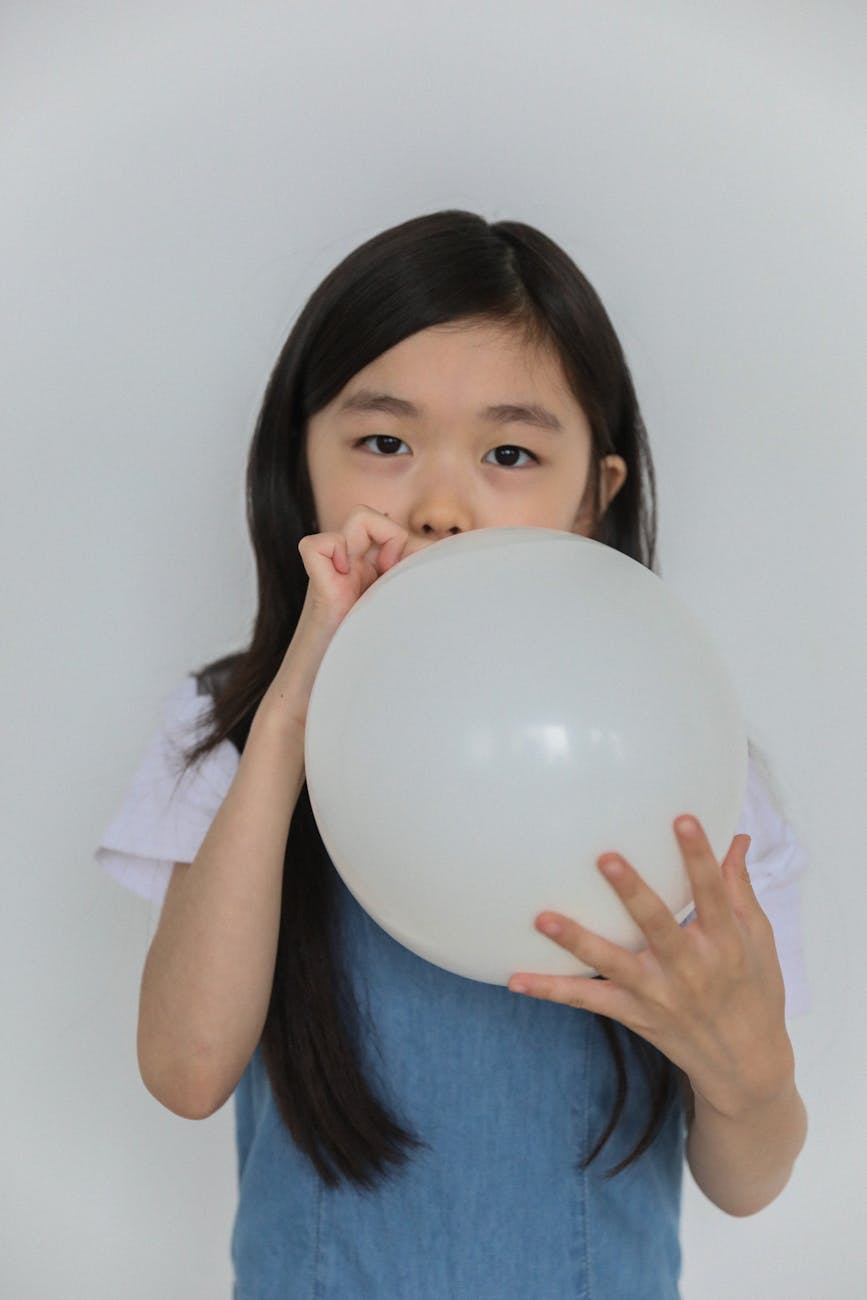
Place a piece of clear tape on an inflated balloon. You can poke a needle through the tape and into the balloon without it popping.
3. Bending Water with Static:
Rub a plastic comb or balloon on your hair, then hold it near a very thin stream of water from a faucet. The water will visibly bend toward the comb.
4. Instant Ice:
Place a bottle of purified water in the freezer for about 2–3 hours (until it’s “supercooled” but not frozen). Hit the side of the bottle or pour it onto an ice cube to watch it turn to slush instantly.
5. Refraction Illusion:
Draw two arrows on a piece of paper pointing the same direction. Place a glass of water in front of them and watch the arrows reverse direction through the glass.
6. Burning Money:
Dip a dollar bill in a mixture of rubbing alcohol and water. Light it on fire; the alcohol burns off, but the water keeps the paper from catching fire. (Adult supervision required).
7. Dry Erase Animation:
Draw a stick figure on a smooth glass plate with a dry-erase marker. Slowly pour water onto the plate; the figure will lift off and “swim” in the water.
8. The Leak-Proof Bag:
Fill a Ziploc bag with water and zip it shut. Slowly poke sharpened pencils all the way through the bag—the plastic seals around the pencils and not a drop leaks.
Engineering & Motion
9. CD Hovercraft:
Glue a bottle cap to the center of a CD, stretch a balloon over the cap, and inflate it. The air escaping under the CD creates a friction-less hovercraft.
10. Paper Plane Aerodynamics:
Test five different paper plane designs (The Dart, The Glider, etc.) and measure which shape travels the furthest vs. stays in the air longest.
11. Straw Roller Coaster:
Use straws, tape, and a marble to build a complex track. The goal is to see how many loops the marble can complete using only potential energy.
12. Craft Stick Chain Reaction:
Weave popsicle sticks together in a “Cobra Weave” under tension. When you release the end, the whole chain “explodes” in a wave. Video
13. Stronger Than You Think:
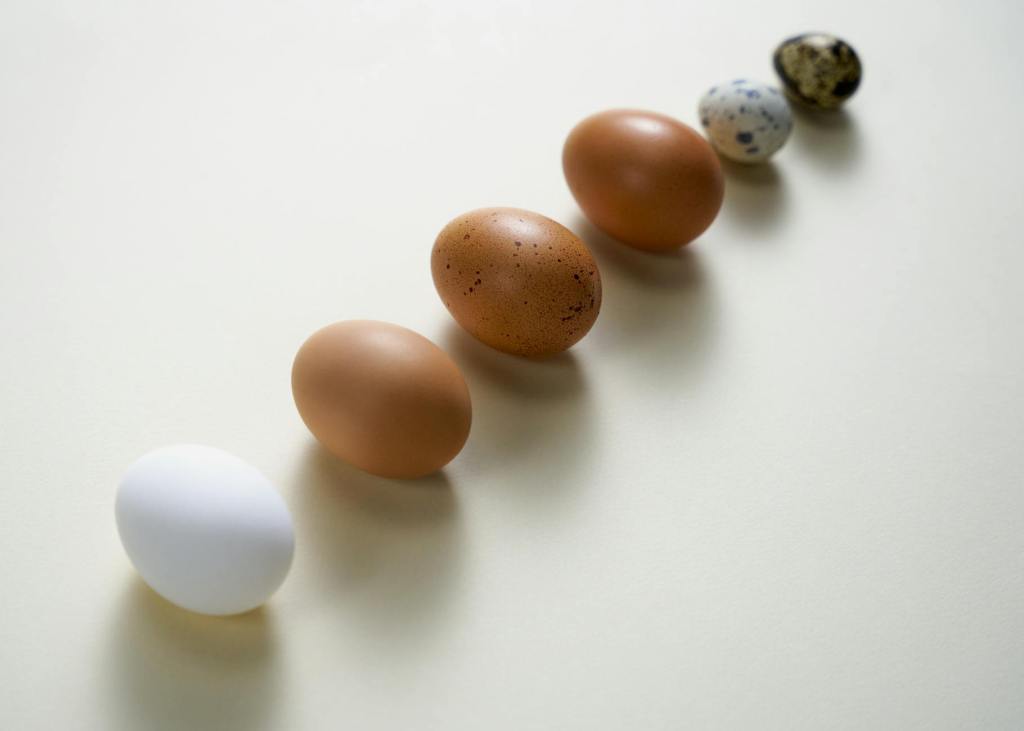
Place three eggshells (halved) on a table and see how many heavy books they can support before cracking.
14. Siphon Fountain:
Use two containers and a plastic tube. Use air pressure and gravity to move water from the lower container to the higher one automatically.
Food & Kitchen Science
15. Rock Candy Crystals:
Create a supersaturated sugar solution and hang a string in it. Over a week, giant edible sugar crystals will grow on the string.
16. Pineapple Enzyme Test:
Put fresh pineapple in one bowl of Jell-O and canned pineapple in another. The fresh pineapple’s enzymes will prevent the Jell-O from ever setting.
17. Invisible Soda:
Add milk to a bottle of Coca-Cola. The phosphoric acid in the soda reacts with the milk proteins, causing the “color” to sink to the bottom as sediment.
18. Glow-in-the-Dark Jell-O:
Use tonic water (which contains quinine) instead of regular water to make Jell-O. It will glow blue under a blacklight.
19. The Screaming Balloon:
Place a hex nut inside a balloon and inflate it. Swirl the balloon in a circle; the edges of the nut vibrate against the latex to create a “screaming” sound.
20. Potato Osmosis:
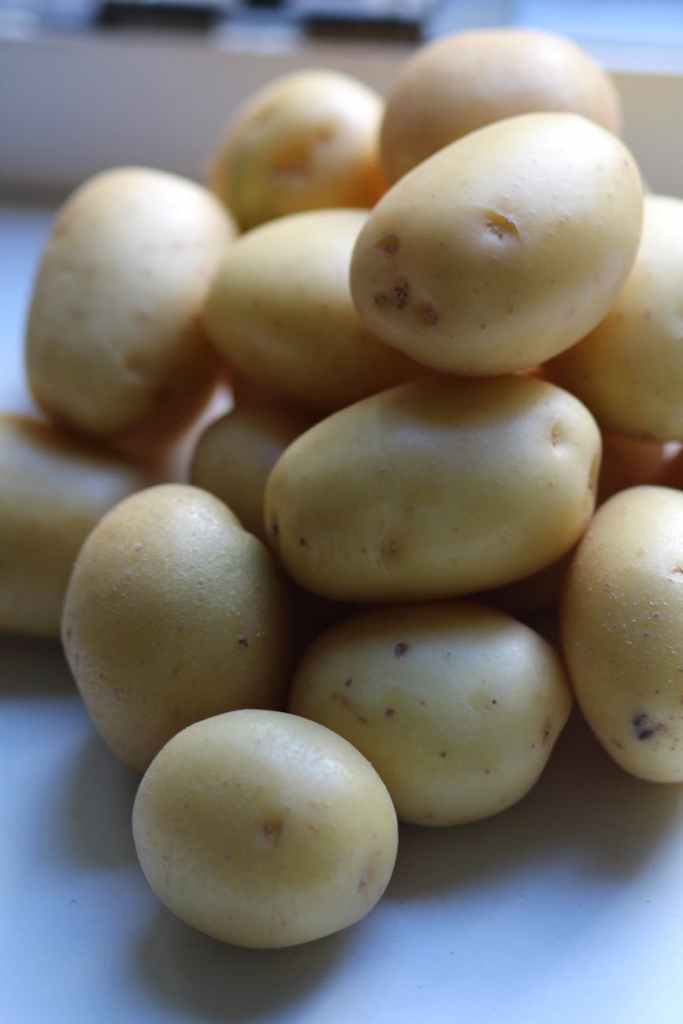
Place one slice of potato in plain water and another in very salty water. One will get stiff (turgid), and the other will get limp and mushy.
Earth & Outdoor Science
21. Compass in a Needle:
Magnetize a sewing needle and float it on a leaf in a puddle to find Magnetic North.
22. Solar Purifier:
Build a “Solar Still” in the sun using a bowl, a cup, and plastic wrap to turn dirty water into clean condensation.
23. Mentos and Soda Geyser:
The classic physical reaction where the pits on a Mentos candy (nucleation sites) cause all the CO_2 in soda to release at once.
24. Nature’s Filter:
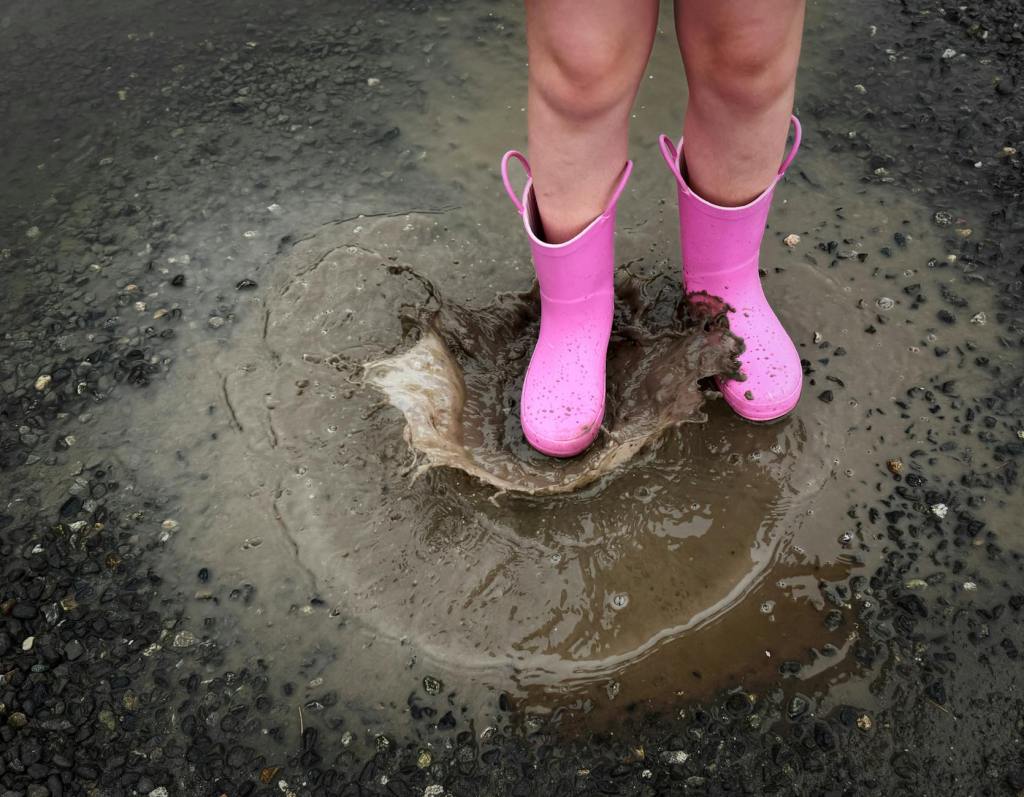
Use sand, charcoal, and pebbles in a cut-up water bottle to see if you can turn muddy pond water clear.
25. The Greenhouse Effect:
Place two thermometers in the sun—one under a glass bowl and one in the open air. Record the temperature difference after 20 minutes.
26. Bark Rubbing Identification:
Use crayons and paper to record bark textures from different trees and research why some are smooth and some are rough.
Light & Perception
27. Thaumatrope (Optical Illusion):
Draw a bird on one side of a disc and a cage on the other. Spin it fast on a string to see the bird “inside” the cage.
28. Pinhole Camera:
Use a cereal box and aluminum foil to create a camera obscura that projects an upside-down image of the outside world onto a screen.
29. Newton’s Color Wheel:
Paint a circle with the colors of the rainbow. Spin it rapidly and watch the colors blend into a “white” or grayish blur.
30. Spectroscope:
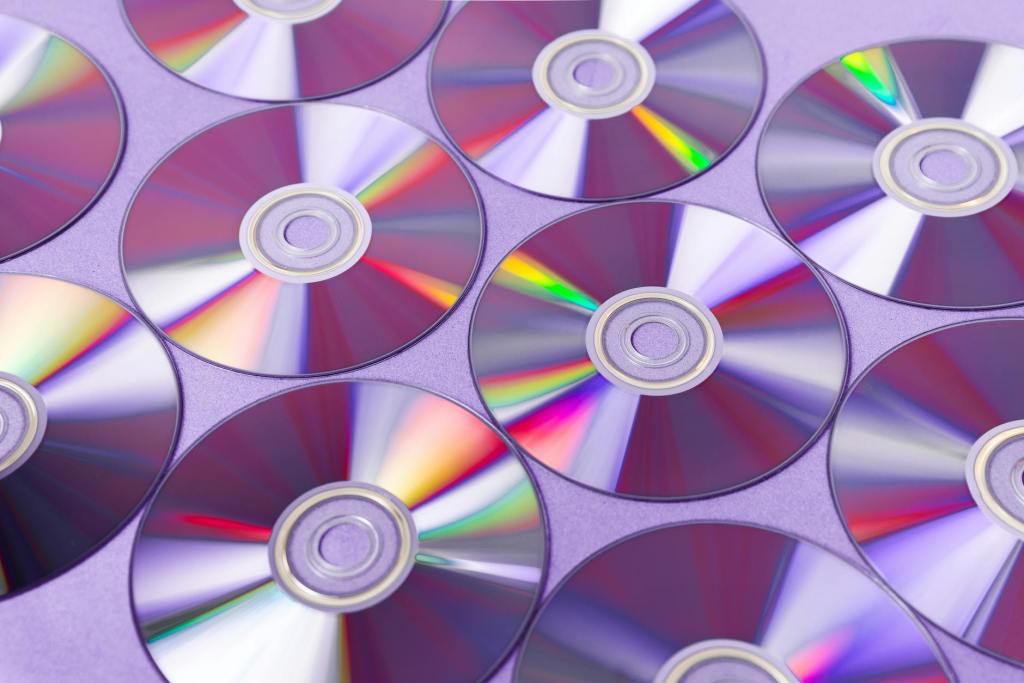
Use an old CD and a cardboard tube to create a device that splits white light into a beautiful rainbow spectrum. Video
The “Visual Magic” Category
31. The Ghostly Glove:
Place a surgical or kitchen glove into a jar of water and baking soda. When you add vinegar, the glove “rises” and waves at you as it fills with gas.
32. Magical Floating Ink:
Draw a simple shape on a ceramic plate with a dry-erase marker. Slowly pour water onto the plate; the drawing will peel off the surface and float like a real object.
33. The Disappearing Glass:
Submerge a small Pyrex glass bowl inside a larger glass bowl filled with vegetable oil. Because they have the same refractive index, the smaller bowl becomes “invisible.”
34. Underwater Candle:
Fix a candle to the bottom of a bowl, fill it with water (leaving the wick dry), and light it. Place a glass over the candle; as the candle goes out, it “sucks” the water up into the glass.
35. Color-Changing Milk:
Touch a soapy Q-tip to the center of a plate of milk and food coloring. Watch the colors “explode” outward in a psychedelic pattern.
36. The Silver Egg:
Hold a soot-covered egg (charred over a candle) under water. The air trapped in the soot reflects light, making the black egg look like polished silver.
37. Pencil Through a Water Balloon:
Similar to the Ziploc trick, but higher stakes! Use a high-quality balloon and sharp pencils to show how polymers seal around the puncture.
Motion, Force & Physics
38. The Balancing Soda Can:
Pour exactly 100ml of water into an empty soda can. You can tilt it on its bottom edge, and it will balance perfectly at a 45-degree angle.
39. Marshmallow Air Pressure:
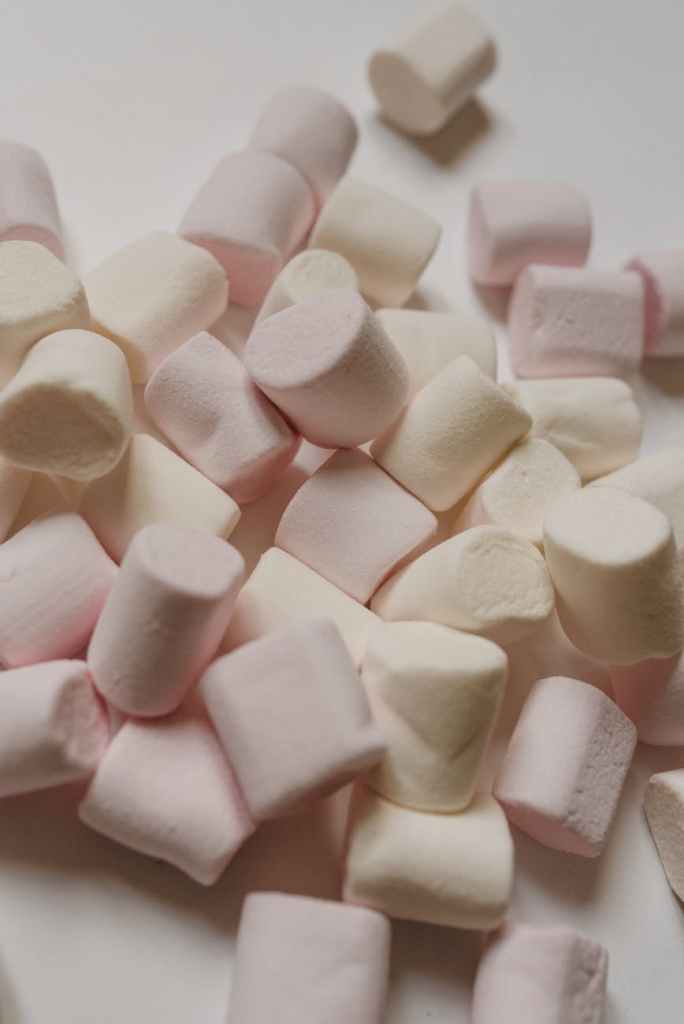
Place a mini marshmallow inside a plastic syringe (no needle). Cover the tip and pull the plunger to watch the marshmallow “grow” and “shrink” as you change the pressure.
40. The Inertia Egg Drop:
Place a toilet paper roll on a plate, on a glass of water. Put a hard-boiled egg on top. Whack the plate sideways; the egg will fall straight down into the glass.
41. Paper Bridge Strength:
Challenge kids to make a bridge out of a single piece of paper that can hold a toy car. Show them how “pleating” the paper like an accordion makes it 10x stronger.
42. Centripetal Water Bucket:
Fill a small bucket with water and swing it in a fast vertical circle. Gravity is “defied” as the water stays in the bucket due to centripetal force.
43. Balloon Hovercraft (DVD Version):
Use a pop-top water bottle cap and a DVD. This version is sturdier than the CD version and glides perfectly across hardwood floors.
44. Friction Book Interlock:
Interleave the pages of two phone books or thick magazines. Try to pull them apart; the friction between hundreds of pages makes them nearly impossible to separate.
Kitchen Science (Tasty & Techy)
45. The Dancing Popcorn:
Place popcorn kernels in a glass of water with baking soda and vinegar. The CO_2 bubbles hitch a ride on the kernels, lifting them up and dropping them.
46. Naked Grapes:
Peel a grape and place it in a glass of clear soda. Watch it “dance” up and down just like the raisins, but with a more translucent, ghostly look.
47. Bread in a Bag:
A great “slow” experiment. Mix flour, yeast, and water in a Ziploc. Watch the bag “inhale” (inflate) as the yeast breathes.
48. Homemade pH Paper:
Soak coffee filters in red cabbage juice and dry them. You now have “litmus paper” that kids can use to test everything in the pantry.
49. The Floating Egg:
An egg sinks in fresh water but floats in salt water. Use this to explain why it’s so easy to float in the Dead Sea.
50. Edible Water Bottles:
Use sodium alginate and calcium lactate (molecular gastronomy) to create “bubbles” of water that you can pick up and eat.
Outdoor & Environmental
51. Sun-Dial Human:
Use chalk to trace a child’s shadow on the driveway at 9 AM, 12 PM, and 3 PM. It’s the easiest way to show the Earth’s rotation.
52. The “Solar Balloon”:
Use a large, black trash bag filled with air and tied shut. Leave it in the sun; the air inside heats up, becomes less dense, and the bag will eventually float.
53. Leaf “Breathing”:
Place a fresh leaf in a bowl of water in the sun. After an hour, look for tiny bubbles (Oxygen) forming on the leaf—the plant is “exhaling.”
54. Soap Boat Race:
Cut a small “V” into the back of a cardboard boat. Place a drop of dish soap in the “V” and watch the boat zoom forward across the water.
55. The Bug Sucker (Pooter):
Build a simple device with two straws and a jar to safely “inhale” small bugs into a viewing container without hurting them (or swallowing them!).
Sound, Light & Senses
56. The Plastic Cup Telephone:
The classic. Use string and two cups. It works for all ages because it’s a physical, tactile version of how a cell phone works.
57. Singing Wine Glass:

Run a wet finger around the rim of a crystal glass to find its resonant frequency and make it “sing.”
58. Mirror Writing:
Challenge someone to write their name while looking only at a mirror. It shows how the brain struggles to process inverted visual data.
59. The Hole in Your Hand:
Roll a paper into a tube. Look through it with one eye and hold your other hand next to the tube. Your brain will “merge” the images, making it look like there is a hole in your palm.
60. DIY Rain-stick: Use a cardboard tube, nails pushed through the sides, and rice or beans. This explores how different materials create different sound textures.
 Heather Congrove
Wow! Never a dull moment over there. Reminds me of those days as a kid when there was too much to do to ever be bored.
LikeLiked by 1 person
Yes indeed! Unfortunately I today’s world most kids do not know how to be board. There is always a screen and instant gratification just around the corner. Being board is the fuel for imagination and creativity!
The post was mainly a free one-stop-shop for busy parents who do not want to scrool Google looking for decent experiments.
LikeLiked by 1 person